

Indoor saunas
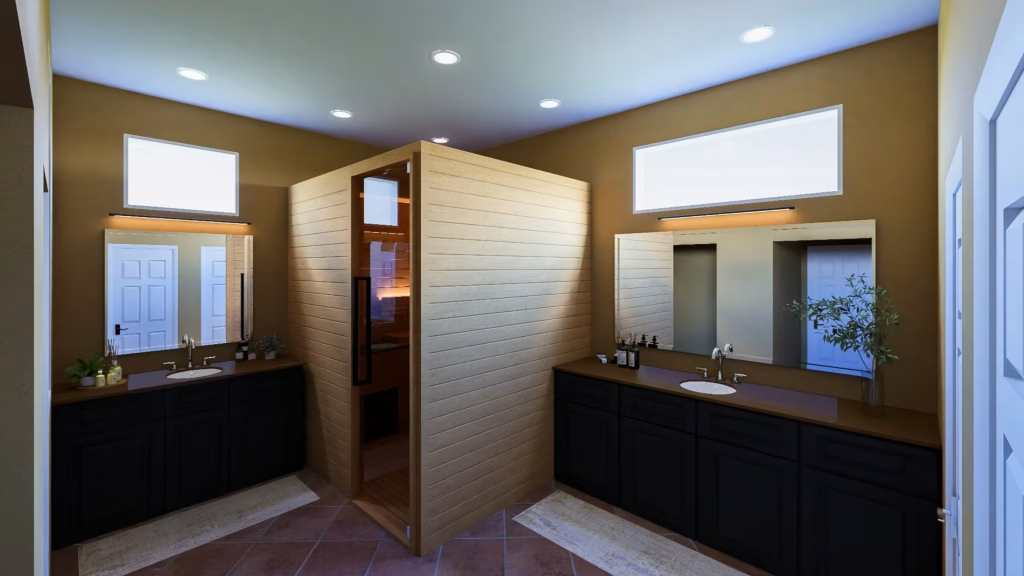
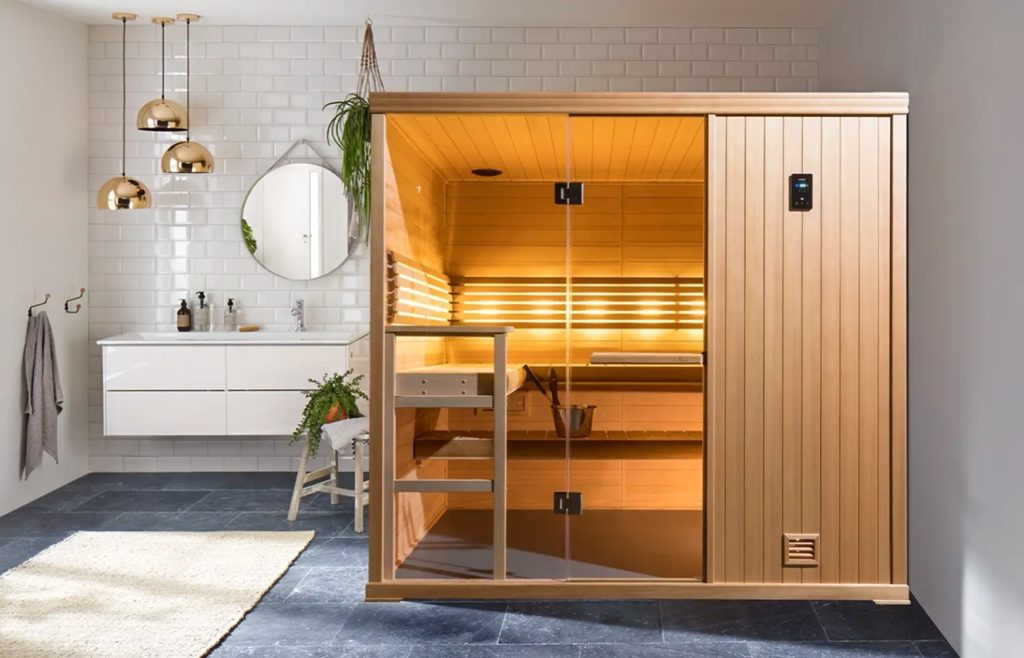
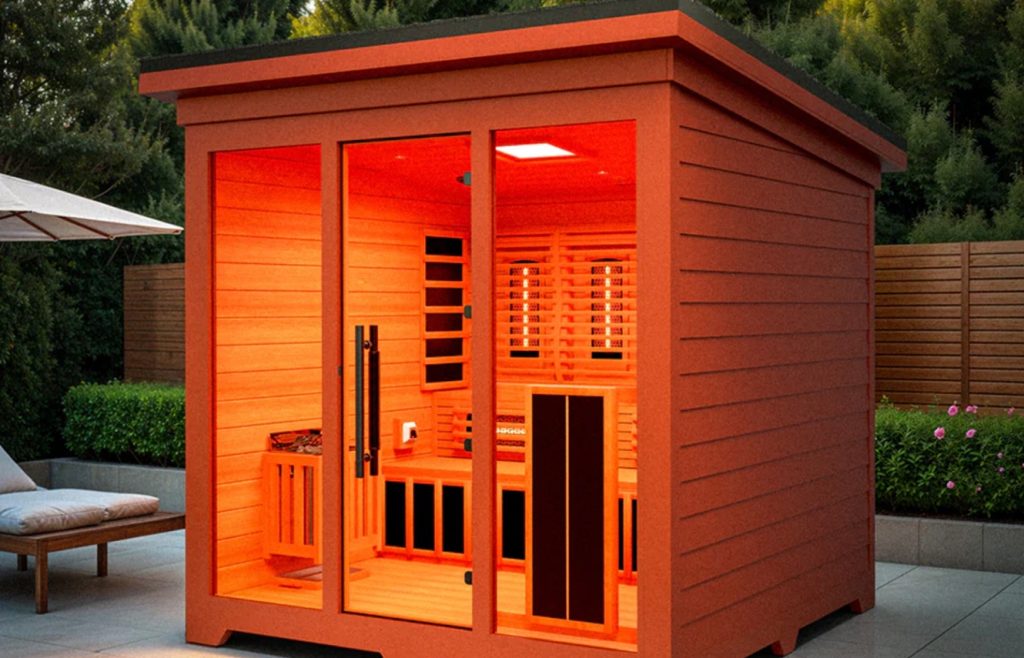
Indoor saunas are enclosed rooms, usually wood-paneled, built inside homes (like in basements or spare rooms) that use electric or infrared heaters to create a hot, therapeutic environment for sweating, relaxation, and wellness, offering a convenient, private spa-like experience without needing to go outdoors.
They use high heat (traditional) or infrared light (infrared) to raise body temperature, promoting detoxification and muscle relief.
Key characteristics
Heat Source: Can be traditional electric heaters with rocks (for steam) or infrared emitters that directly heat the body.
Temperature: Traditional saunas reach 150-200°F (65-95°C), while infrared saunas use lower air temperatures but penetrate deeper.
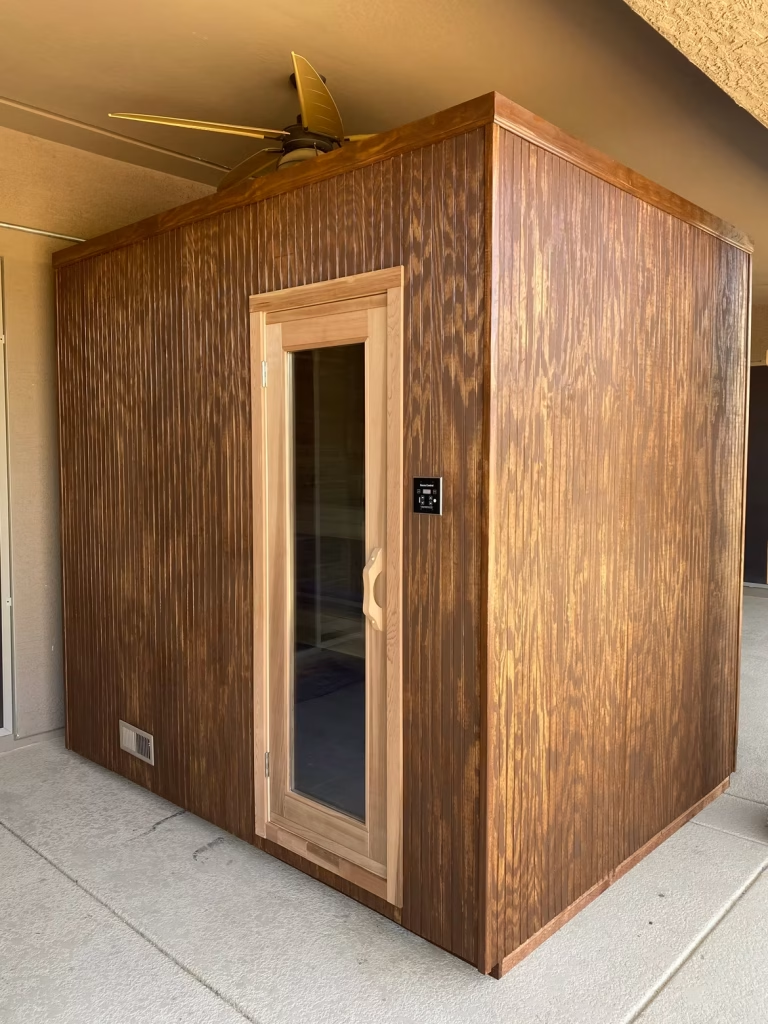
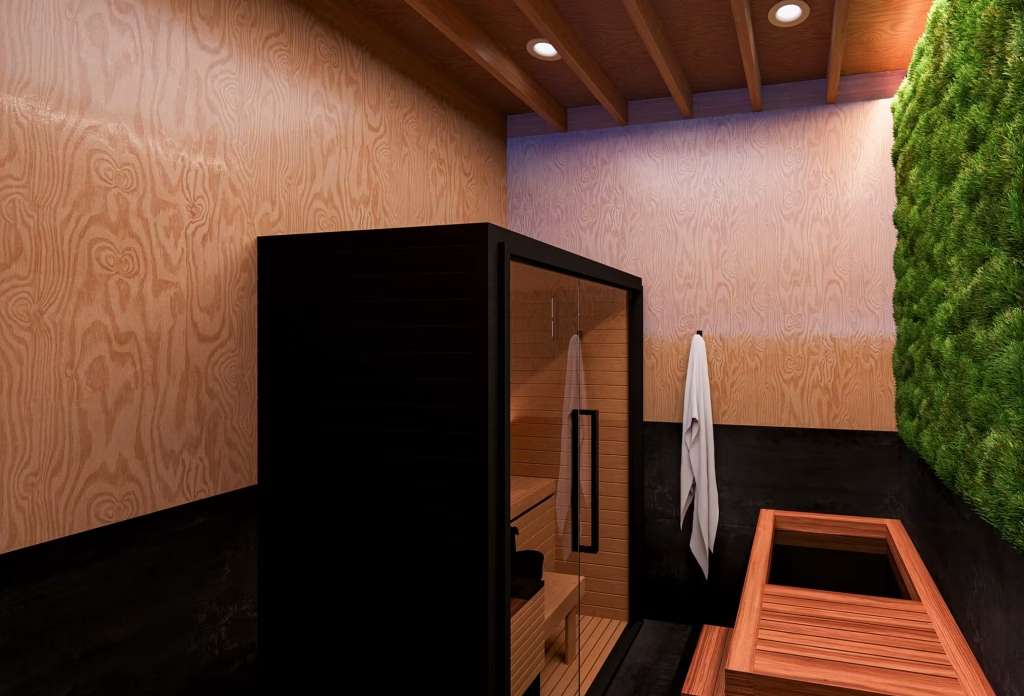
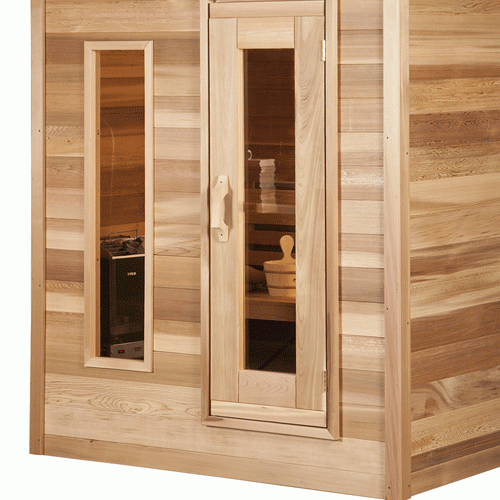
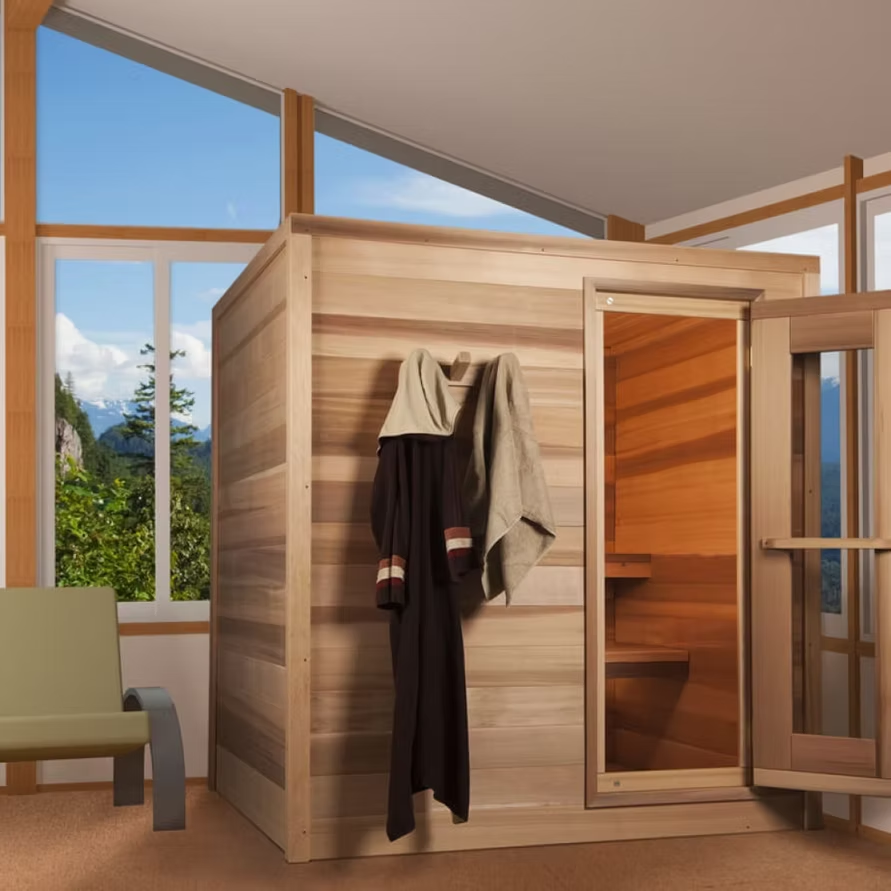
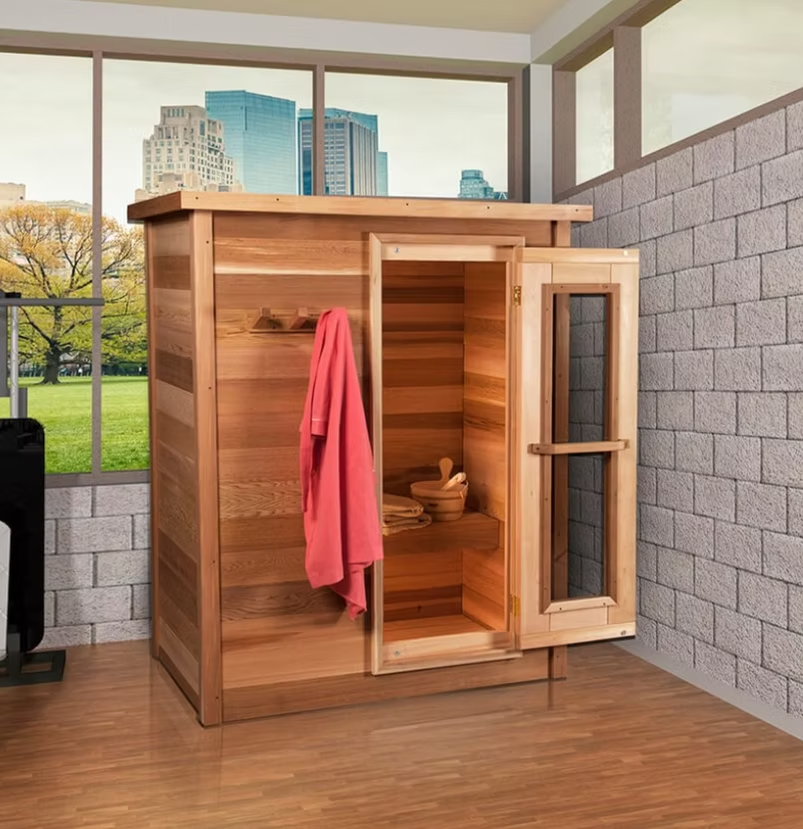
Construction: Made of wood (like hemlock or cedar) to retain heat and handle moisture; designed for indoor placement.
Location: Common spots in homes are basements, bathrooms, or spare bedrooms, allowing for easy integration.
Experience: Provides dry or wet heat (by pouring water on stones in traditional types) for relaxation, improved circulation, and muscle recovery.
Types of indoor saunas
Traditional: Uses a heater to warm the air and stones, creating a high-heat, lower-humidity (unless water is added) experience, says the Wikipedia article on Saunas.
Infrared: Emits infrared light that warms the body directly, requiring less intense air temperature but still inducing sweat, according to.
Hybrid: Combines infrared and traditional heat for varied experiences.
Need a quote for your indoor sauna?

AREAS WE SERVE
Phoenix
Scottsdale
Paradise Valley
Mesa
Chandler
Gilbert
Fountain Hills
Cave Creek
and More
Flagstaff (Spa)
Tucson (Spa)
ADDRESS
Office
E Friess Dr, Scottsdale,
Arizona, 85254
BUSINESS HOURS
Monday 9am-5pm
Tuesday 9am-5pm
Wednesday 9am-5pm
Thursday 9am-5pm
Friday 9am-5pm
Saturday – phone/social media
Sunday – phone/social media
CREDENTIALS
Licensed
Bonded
Insured
ROC 348782
CONTACT US
480.567.6101 – David
davidscraftllc@gmail.com


