

Sauna Culture Around the World and What Many People Still Do Not Know
At first glance, sauna culture may seem like a simple concept. People sit in a hot room, sweat, relax, and sometimes use sauna whisks. Yet behind this simple act lies a rich cultural phenomenon shaped by history, climate, beliefs, and everyday life.
What makes sauna culture especially fascinating is its diversity. Across the world, different societies have developed their own rules, rituals, and meanings around sauna bathing. Understanding these differences can help you avoid awkward moments and fully enjoy the experience wherever you go.
Why Sauna Traditions Offer More Than Just Physical Cleansing
If your only goal is to get clean, a quick shower is enough. Sauna traditions, however, offer something much deeper. They combine physical relaxation with mental calm, ritual, and presence.
Etiquette, structure, and customs vary widely, but every sauna tradition reflects the values of its culture. Exploring them reveals not only differences, but also a shared human desire for restoration and balance.
A Simple Introduction to Sauna Etiquette Across Different Cultures
Even people familiar with saunas sometimes overlook etiquette. Yet a basic understanding can make the experience far more comfortable for everyone involved.
While details differ from country to country, respect for others, cleanliness, and awareness of local customs are universal principles worth remembering.
Nudity in Saunas and What Is Considered Normal Worldwide
In many European sauna cultures, nudity is completely natural and non-sexual. Countries such as Germany, Finland, and Estonia view nudity as a way to promote openness and body acceptance.
That said, wearing a towel is usually acceptable if you feel uncomfortable. Some saunas are strictly textile-free, so it is always best to ask about local rules before entering.
Tattoos in Saunas and How Different Cultures View Them
In most of Europe and North America, tattoos are widely accepted in public saunas. In Japan, however, even small tattoos can restrict access to traditional onsens.
Some locations allow tattoos to be covered with patches, while others enforce strict no-tattoo policies. Awareness of these rules helps avoid uncomfortable situations.
Alcohol in Saunas and Why Caution Is Always Recommended
In certain cultures, enjoying a drink after sauna is common. However, combining alcohol with intense heat can be risky.
Hydration, moderation, and allowing time to adapt to sauna heat are always wiser choices, especially when experiencing unfamiliar sauna traditions.
Estonian Sauna Culture as a Reflection of National Identity
Mention sauna, and Estonia naturally comes to mind. Sauna culture remains deeply rooted in everyday life and social interaction.
Even within Estonia, traditions vary. Southern smoke saunas differ from northern steam saunas, each carrying strong regional identity. Sauna gatherings are social, relaxed, and often include conversation, whisking, and shared time.
German Sauna Culture and the Tradition of Complete Openness
In Germany, sauna culture often means full nudity, even in mixed-gender settings. Swimwear is considered unhygienic and is often prohibited.
Towels are used for sitting, not covering the body. To make saunas more accessible, some facilities offer specific hours where swimwear is required.
The presence of a sauna master adds structure and ceremony, turning a sauna visit into a guided experience.
How Sauna Etiquette Differs Across Various European Countries
Although Europe is geographically small, sauna customs vary greatly. One shared rule across most countries is showering before entering the sauna.
Beyond that, expectations around silence, nudity, steam, and interaction can differ significantly from one country to another.
Hungarian Sauna Culture Focused on Rest, Silence, and Recovery
In Hungary, sauna culture often includes designated relaxation rooms where guests can rest or nap after bathing.
Silence is essential, and phone use is discouraged. Thermal baths, steam rooms, and dry saunas are often combined within one facility, requiring attention to specific etiquette in each space.
French Sauna Culture Emphasizing Calmness, Privacy, and Wellness Treatments
In France, saunas are less common and more closely connected to spa environments. The focus is often on massages, treatments, and quiet relaxation.
Discretion and calm behavior are expected. Nudity rules vary, so signage should always be followed. Loud conversations and unnecessary steam are generally discouraged.
Scandinavian Sauna Culture Defined by Contrast Between Heat and Cold
In Scandinavia, saunas are part of daily life rather than a luxury. Sessions often involve alternating between dry heat, steam, and cold exposure.
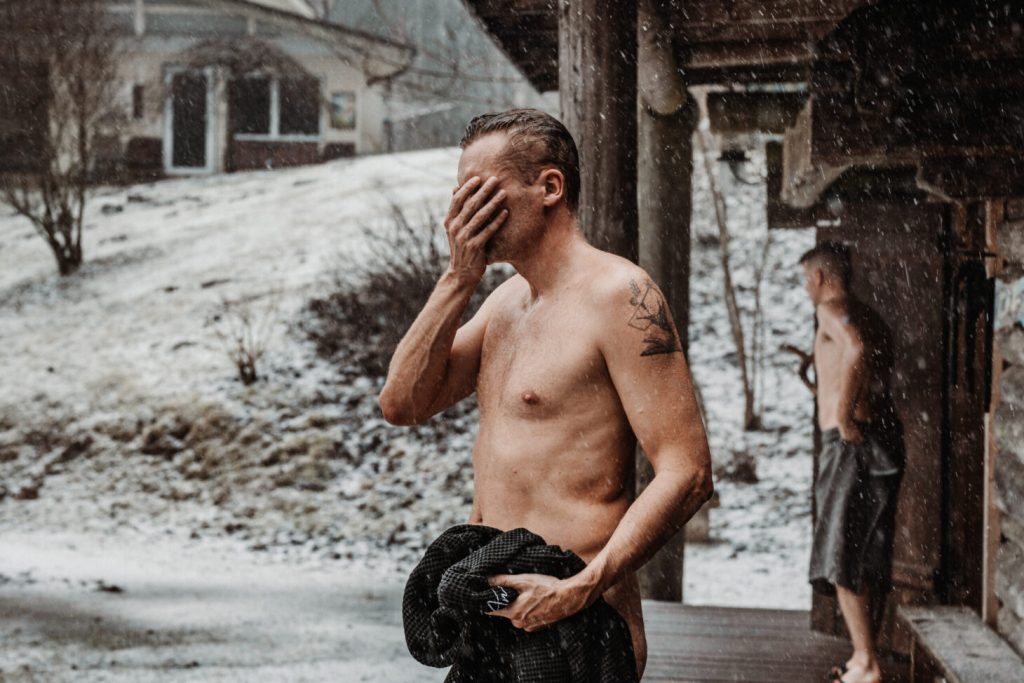
Cold plunges, snow, or sea water are common elements. This contrast between hot and cold is believed to support circulation and immune health.
Finnish Sauna Culture Built on Simplicity, Nature, and Long Tradition
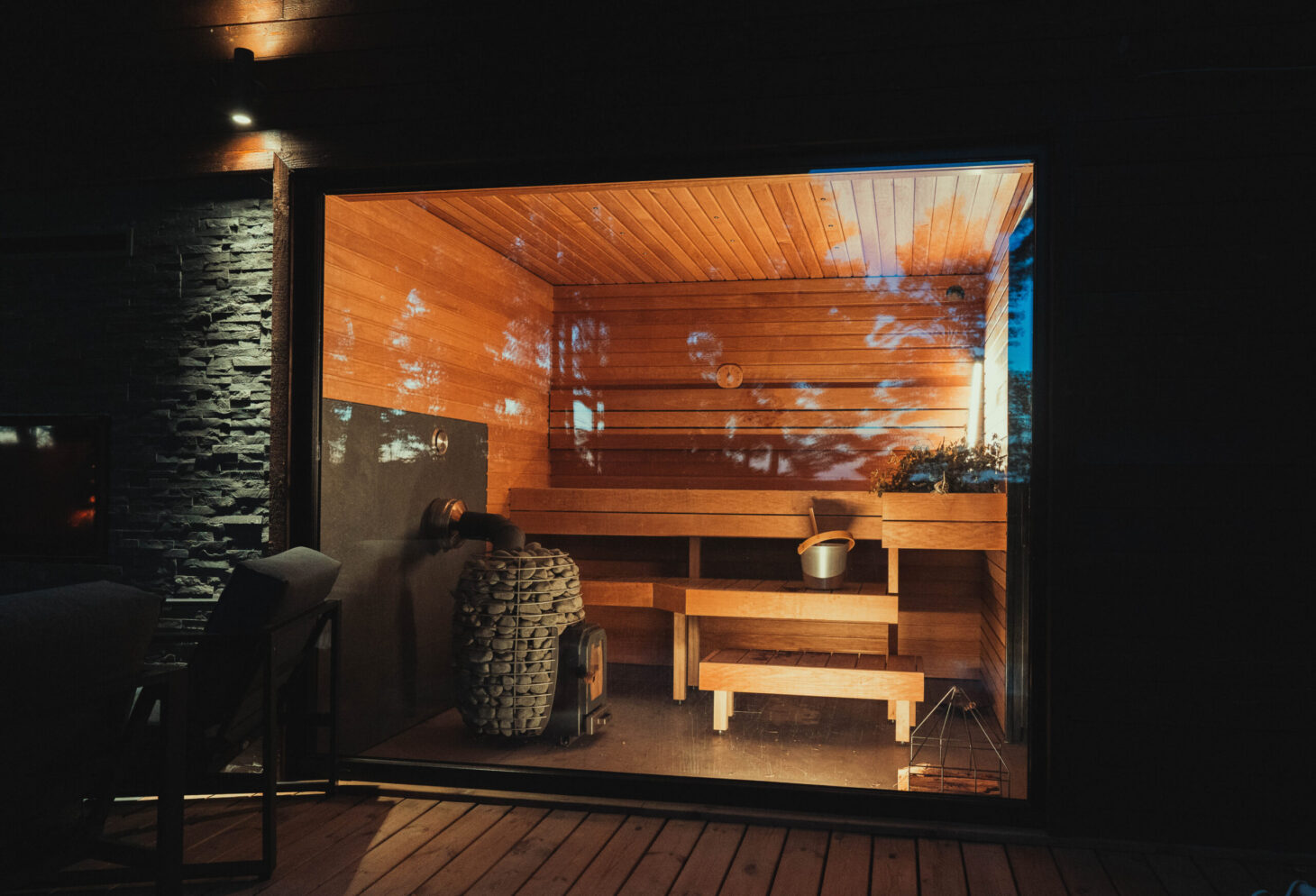
Finnish sauna culture closely resembles Estonian traditions. Ancient saunas relied on simple materials like wood and stone, creating minimalistic spaces focused on nature and balance.
The emphasis remains on authenticity, quiet presence, and respect for the sauna environment.
Sauna Traditions Beyond Europe and Their Cultural Significance Worldwide
Sauna culture is not limited to Europe. Around the world, heat-based bathing traditions reflect local beliefs, environments, and healing practices.
Ancient Sweat Lodges and Natural Healing Rituals Around the World
In Mesoamerica, the temazcal served as a sacred sweat lodge used for purification, healing, and even childbirth.
Native American sweat lodges also played a central role in spiritual ceremonies. In some regions, natural caves heated by hot springs became early forms of saunas.
Modern Bathhouse Cultures Bridging Ancient Traditions and Contemporary Wellness
In Korea, traditional saunas evolved into large bathhouse complexes offering multiple sauna rooms, pools, and relaxation areas.
Guests follow specific customs, such as removing shoes at the entrance and avoiding swimwear. Towels are small and used practically rather than for coverage.
Turkish Hammam Culture Blending Ritual, Hospitality, and Deep Cleansing
The Turkish hammam offers a gradual introduction to heat followed by thorough cleansing and massage.
Heated marble surfaces, exfoliation, and attentive service reflect a culture centered on hospitality and communal relaxation.
Japanese Sauna Culture Balancing Rules, Rituals, and Quiet Relaxation
Japanese sauna culture combines traditional baths with modern sauna practices. Saunas are usually gender-separated, and tattoos remain a sensitive issue.
Small towels are used for modesty outside the sauna and sometimes placed on the head for heat protection. Clocks and televisions are common features.
Why Ancient Sauna Traditions Continue to Shape Modern Wellness Culture
Interest in sauna traditions continues to grow worldwide. What modern science now confirms has long been understood through experience and ritual.
By exploring different sauna cultures, we gain insight into both ancient wisdom and modern well-being — and perhaps discover new ways to slow down, reconnect, and restore balance.


AREAS WE SERVE
Phoenix
Scottsdale
Paradise Valley
Mesa
Chandler
Gilbert
Fountain Hills
Cave Creek
and More
Flagstaff (Spa)
Tucson (Spa)
ADDRESS
Office
E Friess Dr, Scottsdale,
Arizona, 85254
BUSINESS HOURS
Monday 9am-5pm
Tuesday 9am-5pm
Wednesday 9am-5pm
Thursday 9am-5pm
Friday 9am-5pm
Saturday – phone/social media
Sunday – phone/social media
CREDENTIALS
Licensed
Bonded
Insured
ROC 348782
CONTACT US
480.567.6101 – David
davidscraftllc@gmail.com


