

The Estonian Sauna: A Tradition Rooted in Nature, Ritual, and Presence
The Estonian sauna has always been much more than a place to sweat or cleanse the body. Long before modern wellness trends and spa culture, the sauna held deep spiritual, social, and practical meaning. It was woven into everyday life and accompanied people through all major stages of existence — from birth to death.
Even today, this perspective remains relevant. Estonian sauna culture reminds us that true impact does not come from scale or excess, but from authenticity, thoughtful design, craftsmanship, and respect for tradition.
Ancient Origins and a Connection to Nature
The roots of the Estonian sauna reach back to pre-Christian, nature-based traditions. The word sauna itself belongs to the Finno-Ugric language family, linking Estonians with other Northern cultures shaped by forests, water, and seasonal rhythms.
Although written records are scarce, early historical accounts describe sauna use as both physical and spiritual purification. For many communities, the sauna was seen as a place of deeper cleansing than any formal religious ritual.
For centuries, the sauna was also the cleanest and most hygienic building on a farm. This made it a natural place for childbirth, healing, and important life rituals.
The Sauna as a Sacred and Living Space
In traditional Estonian culture, the sauna was a sacred environment where life’s most important transitions took place. Birth, recovery from illness, preparation for death, and farewell rituals all occurred within its walls.
At the same time, the sauna served practical needs. In poorer rural households, people sometimes lived in the sauna year-round, and farmworkers were often accommodated there. This dual role — sacred and functional — made the sauna a central structure in daily life.
The sauna was believed to be inhabited by a protective spirit, which reinforced the importance of respectful behavior. Silence, calmness, and mindfulness were expected inside, turning each sauna visit into a ritual rather than a routine task.
The Smoke Sauna: The Heart of Tradition
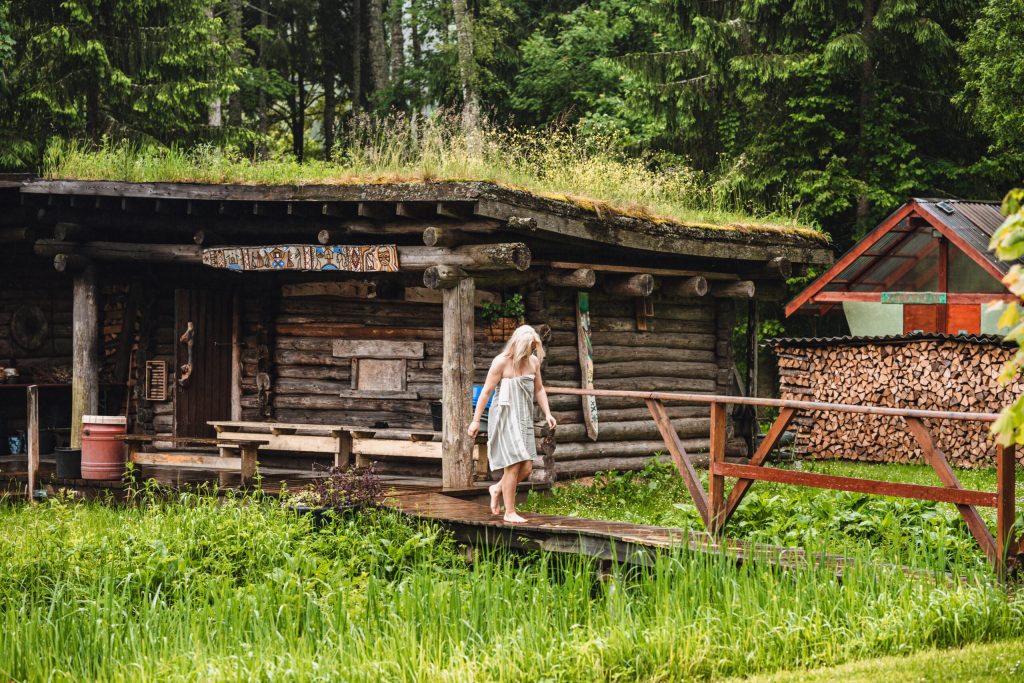
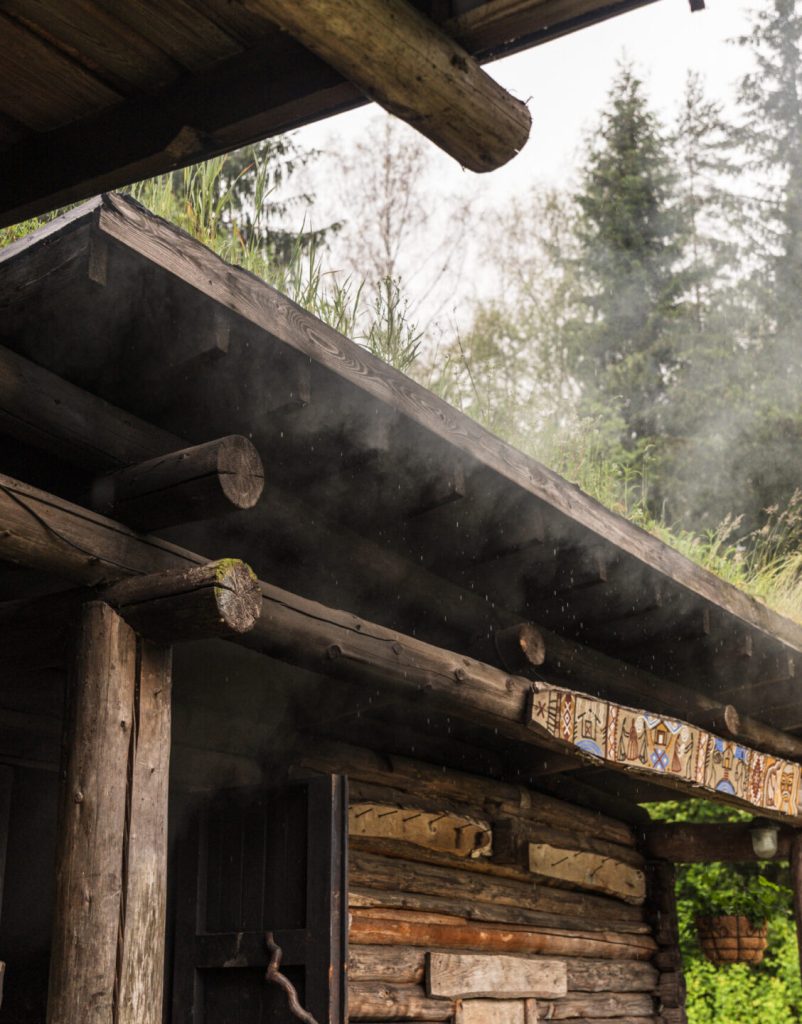
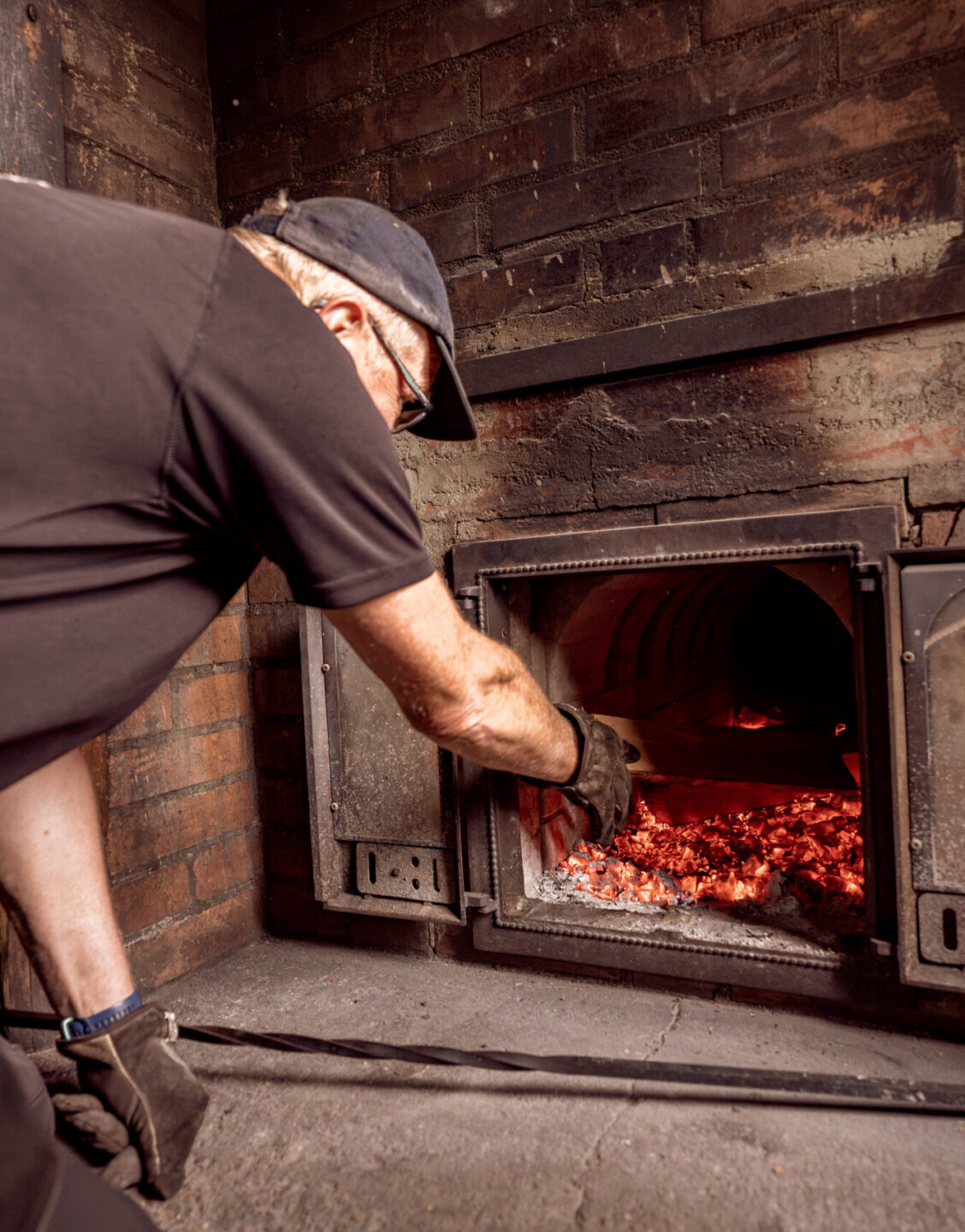
At the core of Estonian sauna heritage is the smoke sauna, known for its chimney-less design. During heating, smoke fills the room and gradually escapes through open doors and vents.
Once the heating process is complete, the harsh initial steam is released, and the sauna is carefully ventilated before being sealed to retain heat. The result is a space with darkened walls, a deep smoky aroma, and exceptionally soft, long-lasting steam.
This atmosphere naturally encourages slowness, presence, and quiet reflection. The cultural importance of smoke saunas has been internationally recognized, highlighting their value as living heritage.
Sauna Evenings and the Rhythm of Community Life
Weekly sauna evenings were an essential part of traditional life. Most farms had their own sauna, which was typically heated once a week, often on Saturdays.
On sauna days, everyday work was set aside. The entire household participated, treating the sauna as a shared ritual rather than a quick activity. Bathing was unhurried and deeply communal.
In earlier centuries, families often bathed together. Later, traditions shifted to separate bathing times, with those entering first experiencing the strongest heat and steam.
Steam, Whisking, and the Ritual of the Body
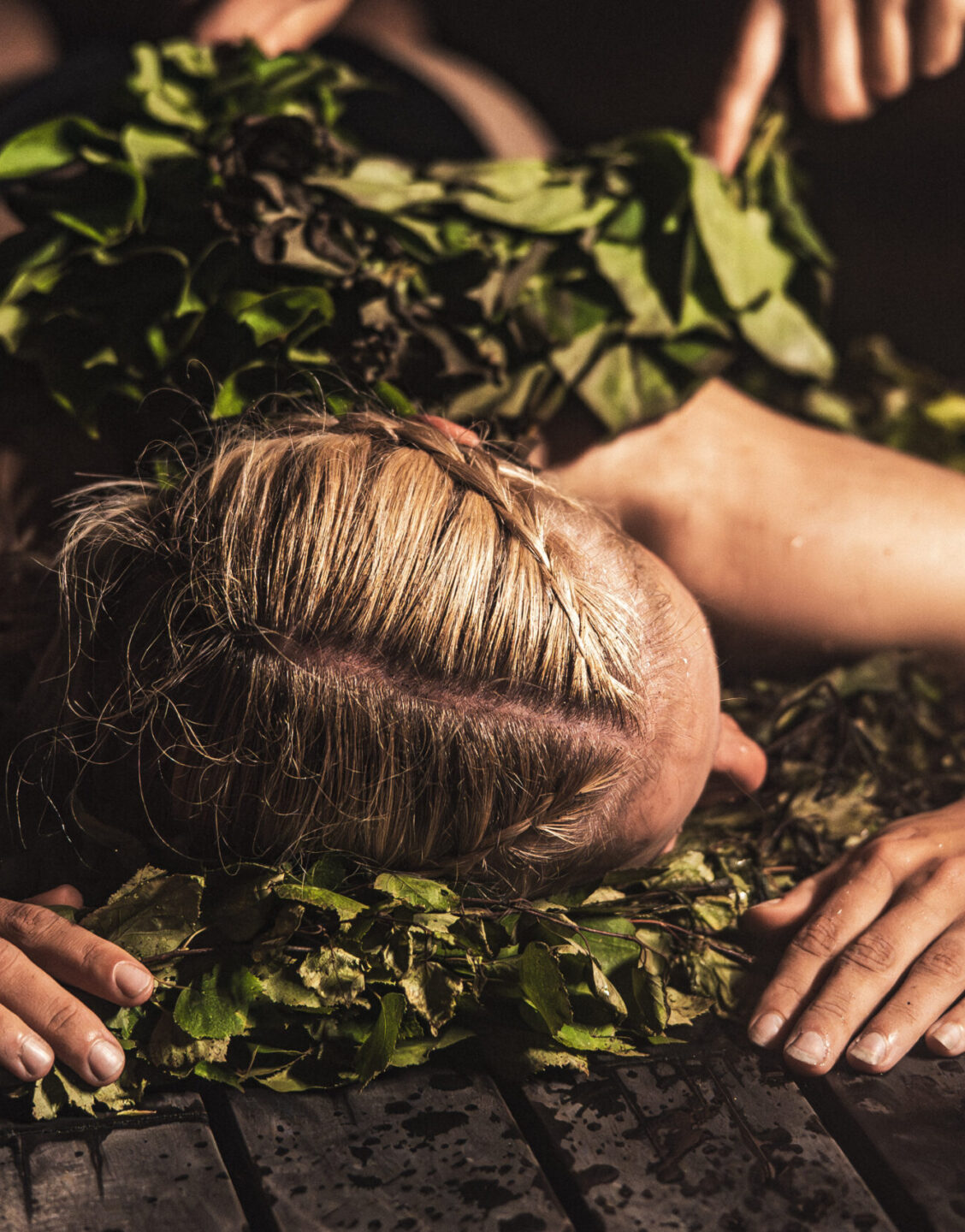
In Estonian sauna culture, steam and body treatment were more important than washing itself. One of the most distinctive practices is sauna whisking, performed with fresh birch branches and sometimes other plants.
Whisking followed a careful rhythm, starting from the feet and gradually moving upward. Combined with heat and aromatic steam, it helped stimulate circulation, release muscle tension, and strengthen the connection between the body and the natural environment.
Sauna and Traditional Health Practices
The health benefits of sauna use were widely recognized in traditional society. Regular sauna bathing was believed to strengthen the body, ease physical pain, and support recovery from illness.
For people engaged in demanding physical labor, sauna heat provided relief for sore muscles and stiff joints. When someone was unwell, the sauna was sometimes heated outside the usual weekly schedule specifically for healing purposes.
Seasonal Customs and Life Events
Sauna rituals were closely tied to seasonal traditions and major life events. Weddings often included ceremonial sauna visits, and brides would sometimes bring offerings as a sign of respect.
Holiday customs added another layer of meaning. During winter celebrations, symbolic decorations, playful rituals, and even fortune-telling practices were connected to the sauna. These traditions reinforced its role as both a spiritual and communal space.
Practical Uses Beyond Bathing
Beyond its ceremonial role, the sauna served many practical functions. It was used for smoking meat, drying grain, processing textiles, and drying clothes or fishing nets.
In some regions, saunas even provided shelter for animals or temporary housing for workers, highlighting their versatility and importance within rural life.
Respect, Balance, and Meaning
The sauna was always treated with respect. New saunas were often built on the same consecrated spot as older ones, preserving continuity and tradition.
Steam was believed to bring good fortune, and behavior inside the sauna was expected to reflect calmness and gratitude. Through birth, healing, and death, the sauna completed the human life cycle, making it one of the most meaningful spaces in Estonian culture.
A Modern Return to Presence
Today, the essence of the Estonian sauna remains unchanged. Whether in a traditional smoke sauna or a modern, thoughtfully designed space, the goal is the same: to arrive fully in the moment.
Modern sauna design blends ancient wisdom with contemporary craftsmanship — emphasizing proper proportions, ventilation, and heaters that create gentle, lasting steam.
Rooted in tradition yet adapted to modern living, the Estonian sauna continues to offer something timeless: a place to slow down, reconnect with nature, and restore both body and mind.


AREAS WE SERVE
Phoenix
Scottsdale
Paradise Valley
Mesa
Chandler
Gilbert
Fountain Hills
Cave Creek
and More
Flagstaff (Spa)
Tucson (Spa)
ADDRESS
Office
E Friess Dr, Scottsdale,
Arizona, 85254
BUSINESS HOURS
Monday 9am-5pm
Tuesday 9am-5pm
Wednesday 9am-5pm
Thursday 9am-5pm
Friday 9am-5pm
Saturday – phone/social media
Sunday – phone/social media
CREDENTIALS
Licensed
Bonded
Insured
ROC 348782
CONTACT US
480.567.6101 – David
davidscraftllc@gmail.com


